Blogs
Optimizing Trade Show Strategies for Maximum ROI
November 21, 2025|Marketing Strategy
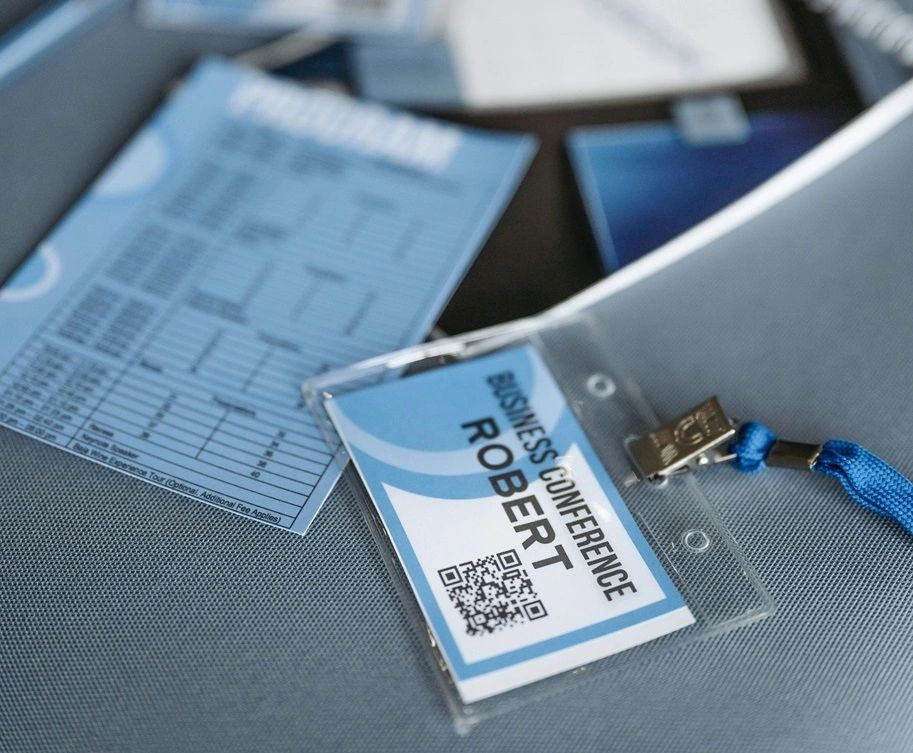
Trade shows have been a significant line item in marketing budgets to help showcase new products, networking, and acquiring leads. However, without the right strategies, the significant investment in trade shows can yield poor returns. I recommend utilizing a well-planned tradeshow strategy to maximize return on investment (ROI), focusing on pre-event marketing, engagement techniques, and follow-up practices. Trade show strategies should be created with sales to ensure roles and responsibilities are agreed upon.
Pre-Event Marketing: Building Engagement
The success of a trade show often relies on the work done before the event even starts. Effective pre-event marketing helps build anticipation and ensures a steady flow of visitors to your booth. Utilizing digital marketing strategies such as targeted email campaigns, social media buzz, and dedicated landing pages can significantly increase pre-event engagement. For instance, creating an event-specific hashtag can help spread the word and encourage potential visitors to engage online. Additionally, sales team members should reach out to prospects and clients to generate awareness and prebook meetings.
Additionally, leveraging partnerships and influencer collaborations to promote the event can extend your reach. Offering sneak peeks of what attendees can expect or exclusive previews of the products you will showcase can also peak interest and attendance.
Engagement Techniques: Making a Lasting Impression
At the tradeshow, the focus shifts to engaging attendees in meaningful ways. Interactive displays, live demonstrations, and engaging presentations can capture the attention of passersby. Incorporating technology like virtual reality (VR) demonstrations or interactive touch screens can provide hands-on experience with your products, making your booth memorable. Additionally, gamification strategies such as contests or raffles can keep visitors at your booth longer and increase engagement. Sales team members should be engaging with visitors coming to the booth and walking the show to generate leads.
Utilizing lead capture software is critical to ensure leads are captured with notes from discussions. Many tradeshow organizers offer lead scanners for this purpose.
Follow-Up Practices: Capitalizing on Post-Event Momentum
The most critical phase of maximizing trade show ROI is the follow-up and is primarily done by the sales team. Prompt communication within 24 hours after the event is crucial; sending thank-you emails, newsletters, or exclusive offers to attendees can keep your brand top of mind. Segmenting your leads based on their interest level and readiness to purchase and tailoring your follow-up messages accordingly can increase conversion rates significantly. Did you know that 85% of leads are never followed up on according to a study done by Salesforce?
Utilizing CRM tools to track interactions and gauge the effectiveness of different follow-up strategies is also important. Detailed analytics can help refine your approach to future events, ensuring continuous improvement in your trade show strategies.
Maximizing ROI at trade shows requires a comprehensive approach that spans before, during, and after the event. By integrating innovative pre-event marketing strategies, engaging attendees effectively during the show, and following up efficiently, businesses can ensure that every dollar spent on trade shows is an investment towards future growth. Engaging potential clients through a well-planned strategy ensures that your trade show efforts lead to business results, turning opportunities into profitable conversions.
Sign up for blog updates!
Join my email list to receive updates and information.